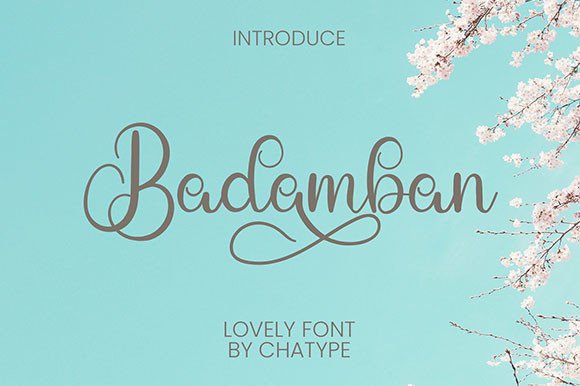
Badamban: A Handwritten Font for Editorial Design
Badamban is a swirly and unique handwritten font that brings a personal, artistic touch to editorial design. As someone who regularly works with fonts in blogs, magazines, and digital publications, I’ve found that the right typeface can elevate the visual tone of any project. Badamban stands out with its fluid curves and organic feel, making it ideal for creating a sense of warmth and creativity.
Visual Characteristics and Style
Badamban’s character lies in its natural, hand-drawn appearance. Each letter flows smoothly into the next, giving it a dynamic and expressive quality. This style lends itself well to content that requires a personal or artistic flair, such as quotes, invitations, and creative branding.
The font has a modern yet timeless appeal, which makes it versatile across different design contexts. Its swirly details add visual interest without overwhelming the reader, striking a balance between creativity and readability.
Applications in Editorial Design
Badamban can be used in various editorial elements to enhance both aesthetics and functionality. For blog headers, it adds a unique identity that draws attention while maintaining a welcoming tone. In magazine covers, it can serve as a focal point, inviting readers to explore the content within.
In ebook titles and chapter openers, Badamban helps establish a visual hierarchy that guides the reader through the material. It can also be used for pull quotes and section headings, where its distinctive style highlights key points without disrupting the flow of the text.
For printable guides, worksheets, and lead magnets, Badamban contributes to a cohesive brand identity. When paired with a clean sans serif font for body copy, it ensures readability while maintaining a visually engaging layout.
Readability and Practical Considerations
While Badamban is best suited for display purposes, its readability on screen and in print should be considered. It performs well in headlines and short texts but may not be ideal for long-form reading due to its stylized nature. When using Badamban in digital formats, ensure sufficient spacing and contrast to maintain legibility, especially on mobile devices.
For PDF exports and print materials, check how the font renders at different sizes and resolutions. A high-quality version of Badamban will preserve its visual integrity across all platforms.
Font Pairing and Editorial Consistency
Pairing Badamban with complementary fonts can create a balanced and professional look. A readable serif font like Garamond or a clean sans serif like Helvetica can provide a strong contrast, ensuring that the content remains accessible while still benefiting from Badamban’s creative edge.
When designing for web or digital publications, consider how Badamban interacts with other typographic elements such as captions, navigation menus, and footnotes. Keeping the overall design consistent will reinforce brand identity and improve user experience.
Commercial Use and Licensing
If you plan to use Badamban in commercial projects such as ebooks, templates, printables, or paid newsletters, make sure to review the licensing terms. A proper license ensures that you can use the font across multiple platforms and outputs without legal issues.
For client publications or digital downloads, investing in a commercial license provides peace of mind and supports the continued development of quality design assets like Badamban.
Practical Examples of Use
In a lifestyle blog, Badamban could be used for article titles and featured quotes, adding a personal touch to each post. For a recipe ebook, it might appear in chapter titles or decorative elements, enhancing the visual appeal of the content.
A wedding guide could benefit from Badamban in invitation designs or event headings, creating a romantic and elegant atmosphere. In a coaching workbook, it can highlight key concepts or action steps, making them stand out in a visually appealing way.
For a digital magazine or creator newsletter, Badamban offers a fresh and creative approach to typography, helping to differentiate your publication from others in the same space.
Conclusion
Badamban is more than just a font—it’s a design tool that can shape the visual language of your editorial work. Whether you're crafting a blog header, designing a magazine cover, or creating a printable guide, this handwritten font brings a unique personality to your content.
By thoughtfully integrating Badamban into your design process, you can create layouts that are both visually compelling and functionally effective, enhancing the reader's experience and reinforcing your brand identity.