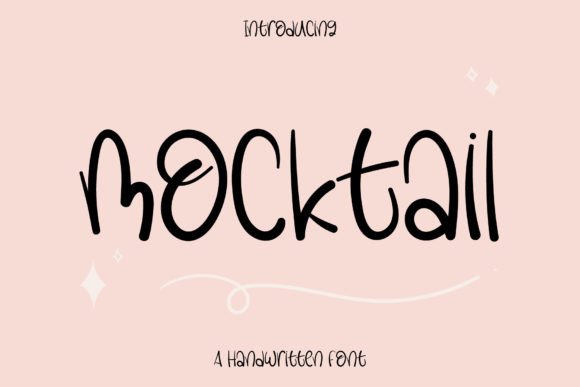
Mocktail Font for Web Design and Branding
As a web designer, I've tested countless fonts over the years, but Mocktail stands out as a handwritten font that feels both approachable and professional. Its casual charm makes it incredibly versatile, especially when designing for creative brands or digital products that want to feel personal yet polished.
Visual Characteristics of Mocktail
Mocktail is a script font with a natural, handwritten appearance. It has soft curves and subtle variations in stroke weight that mimic real handwriting. This gives it a warm, human feel that can be used effectively in many design contexts without feeling too informal or unprofessional.
The font's character set includes a range of stylistic alternates, which allows for more expressive typography in headers, logos, and call-to-action buttons. The letterforms are clean enough to maintain readability even at smaller sizes, making it suitable for use on mobile screens and responsive layouts.
Using Mocktail in Website Headers and Hero Sections
In hero sections, where first impressions matter most, Mocktail can help create a friendly tone while still maintaining visual impact. Pair it with a clean sans serif font like Helvetica or Arial for body copy to balance elegance with readability.
For example, using Mocktail in a creative portfolio site’s header can immediately communicate the designer’s personality. Similarly, on an online store selling handmade goods, the font reinforces the brand's artisanal roots while keeping the layout inviting and easy to scan.
Best Practices for Readability
When using Mocktail for headers or section titles, ensure there is enough contrast between the text and background. On dark backgrounds, consider using a light color or adding a subtle drop shadow to improve legibility. For small buttons or links, avoid using Mocktail unless the text is short and the context clearly supports its use.
On mobile screens, test the font at various sizes to confirm that it remains legible. Avoid using it for long paragraphs, as this can reduce scanning speed and overall user engagement.
Mocktail for Brand Tone and Visual Hierarchy
The choice of font significantly influences a website’s brand tone. Mocktail’s handwritten style communicates warmth, creativity, and authenticity—ideal for coaching websites, boutique stores, and digital content creators who want to build trust through relatability.
When designing landing pages or course sales pages, using Mocktail for headline text helps draw attention while reinforcing the message that the brand is personable and approachable. In these cases, it works best as a display font rather than for body copy.
For visual hierarchy, pair Mocktail with a complementary sans serif or serif font to guide the reader’s eye from the main headline to supporting text. This creates a clear structure that enhances usability and reduces cognitive load.
Mocktail in Digital Assets and Brand Identity
Mocktail is also well-suited for use in digital assets such as social media graphics, email headers, and branded templates. Its unique style adds a touch of personality to marketing materials without overwhelming the viewer.
For instance, a blog header using Mocktail can instantly make the content feel more engaging and less corporate. When paired with a minimalist layout and consistent color scheme, it contributes to a strong brand identity that feels cohesive across all touchpoints.
If you're creating a digital brand kit, including Mocktail as part of your font stack ensures consistency in all your promotional materials. Whether it's a logo, banner, or infographic, the font maintains a unified look and feel that strengthens brand recognition.
Font Pairing and Commercial Licensing
When pairing Mocktail with other fonts, consider the purpose of each typeface. A decorative script font like Mocktail works best when balanced with a simple, clean font for body text. This combination is particularly effective for editorial designs, packaging concepts, and branding projects that require both creativity and clarity.
Before using Mocktail on a live website or client project, verify that the font license includes commercial usage rights. Many premium fonts require specific licenses for websites, online stores, or digital templates. Always check the included file formats, weights, and multilingual support to ensure compatibility with your design needs.
Mocktail is available as a webfont, making it easy to integrate into CSS files and ensuring smooth performance across different devices and browsers. This makes it ideal for designers looking for a reliable, high-quality font that works seamlessly within modern web development workflows.
Whether you're building a new website, redesigning a landing page, or enhancing a digital product, Mocktail offers a fresh take on typography that supports both functionality and aesthetics. Its versatility, readability, and warm personality make it a valuable asset in any designer's toolkit.